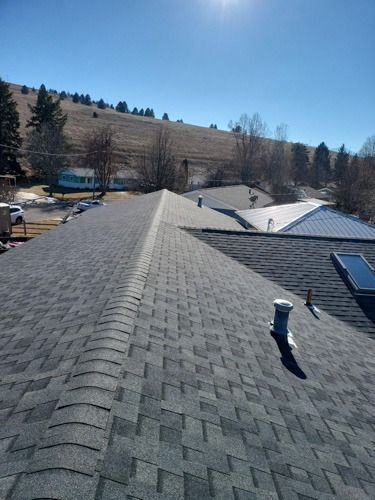

What Roof Ventilation Improvements Benefit Hudson, WI Homes?
Roof ventilation in Hudson, WI regulates attic temperature, prevents moisture buildup, and extends shingle lifespan by balancing intake and exhaust airflow throughout the year in changing Wisconsin conditions.
How Does Poor Ventilation Damage Your Roof?
Inadequate ventilation traps heat and moisture in attics, causing shingles to age prematurely, insulation to lose effectiveness, and wood framing to rot or develop mold growth.
Summer heat builds up in unventilated attics, raising shingle temperatures beyond design limits. This accelerates granule loss and sealant breakdown, shortening roof lifespan by years. Heat also radiates into living spaces, forcing air conditioners to work harder and increasing energy bills.
Winter moisture from daily activities like cooking and bathing rises into attics. Without proper ventilation, this moisture condenses on cold roof decking, soaking insulation and promoting mold growth. Ice dams form when trapped heat melts snow on the roof, which refreezes at eaves and forces water under shingles.
Which Ventilation Systems Work Best in Hudson?
Ridge vents combined with soffit vents create continuous airflow from eaves to roof peak, providing balanced ventilation that outperforms static roof vents in Hudson's climate.
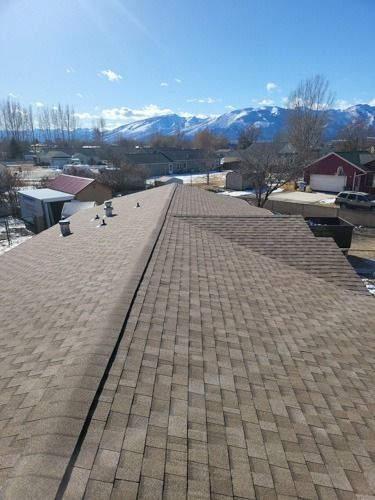
Ridge vents run along the entire roof peak, allowing hot air to escape naturally without requiring electricity or moving parts. Soffit vents installed under eaves draw cool air into the attic, creating a steady flow that removes heat and moisture. This passive system works year-round without maintenance.
Static roof vents and gable vents provide limited ventilation in specific areas, often leaving dead zones where moisture accumulates. Power attic fans consume electricity and can create negative pressure that pulls conditioned air from living spaces. Balanced ridge-and-soffit systems deliver consistent results for Hudson homes.
Can Ventilation Improvements Lower Energy Costs?
Proper attic ventilation reduces cooling costs in summer by preventing heat buildup and helps maintain stable temperatures in winter, reducing strain on heating systems throughout the year.
An overheated attic transfers warmth through insulation into living spaces, making air conditioners run longer to maintain comfort. Ventilation removes this excess heat before it affects indoor temperatures, cutting energy use during hot July and August days in Hudson.
In winter, balanced ventilation prevents warm attic air from melting snow on the roof. Eliminating ice dams protects your roof and reduces heat loss through the attic, keeping your home warmer with less furnace activity. These combined benefits add up to noticeable savings on utility bills.
Do Hudson's River Valley Conditions Require Special Ventilation Considerations?
Homes near the St. Croix River in Hudson experience higher humidity and morning fog, making effective attic ventilation especially important to prevent moisture damage and maintain indoor air quality.
River valley locations trap humid air that increases condensation risk in attics. Enhanced ventilation systems remove this moisture before it saturates insulation or promotes mold growth. Proper airflow also prevents musty odors that develop in poorly ventilated attics.
Morning fog and rapid temperature changes stress roofing materials. Ventilation systems that adapt to these conditions help your roof last longer and perform better through decades of Hudson's unique microclimate. A&B Roofing evaluates your attic ventilation and recommends targeted improvements for Hudson homes. See how better airflow benefits your home by calling 715-966-9006 to schedule a ventilation assessment today.
Author Details
Denise Haycook
Co-Owner
Denise Haycook, with her extensive experience of more than 10 years, is the proud co-owner of A&B Roofing.