How to Prepare Your Roof for Storm Season in Chippewa Falls, WI
Roof preparation in Chippewa Falls, WI reduces damage from spring storms, summer hail, and winter snow by addressing weak points and ensuring proper drainage before severe weather arrives.
When Should You Inspect Your Roof in Chippewa Falls?
Inspect your roof in early spring and late fall to identify damage from winter ice and summer storms before the next severe weather season begins.
Spring inspections reveal cracked shingles, lifted flashing, and damaged valleys caused by ice dams and freeze-thaw cycles. Catching these issues early prevents small problems from becoming costly leaks during April and May rainstorms. Late fall inspections ensure your roof is ready for snow and ice accumulation that starts in November.
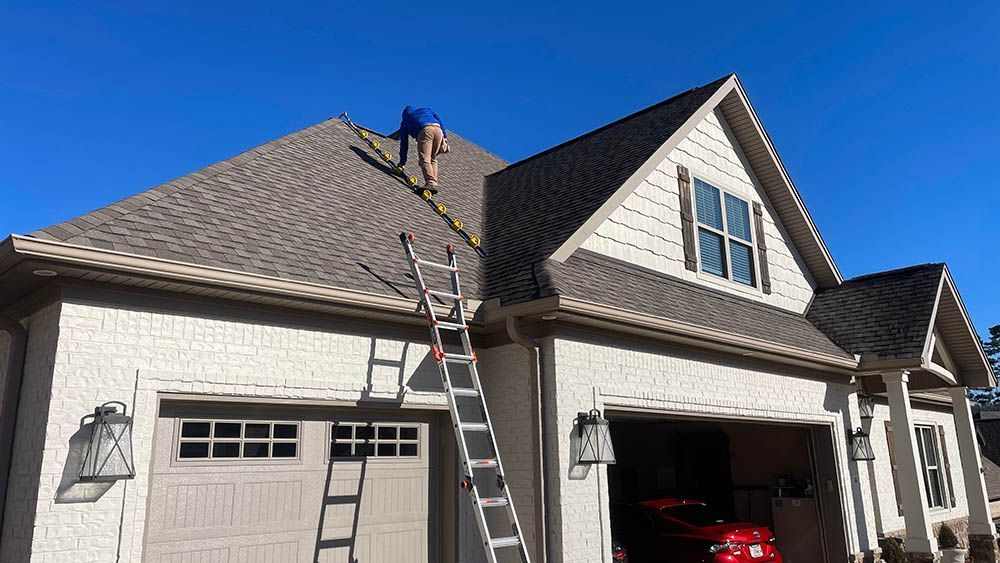
Chippewa Falls experiences rapid weather changes that stress roofing materials. A professional inspection identifies weak spots you might miss from the ground, including loose fasteners and worn sealant around vents and chimneys.
What Roof Components Need Attention Before Storms?
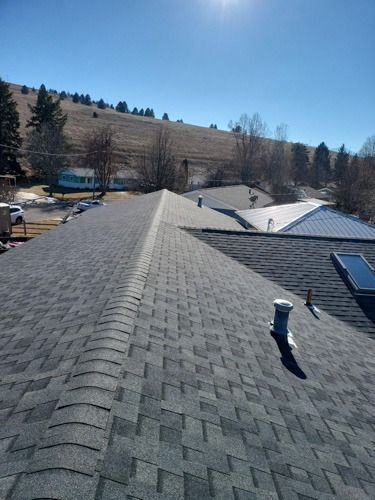
Flashing, gutters, shingles, and ventilation systems require inspection and maintenance to prevent storm-related water intrusion and structural damage in Chippewa Falls homes.
Flashing around chimneys, skylights, and roof valleys often deteriorates first. Gaps in flashing allow water to seep under roofing materials, causing rot and mold. Check for rust, cracks, or separation from the roof surface.
Gutters clogged with leaves and debris overflow during heavy rain, directing water against siding and foundation walls. Clean gutters and downspouts before storm season to ensure proper drainage. Shingles with curled edges or missing granules no longer protect the underlayment and need replacement.
Attic ventilation prevents moisture buildup that weakens roof decking. Proper airflow reduces ice dam formation in winter and heat damage in summer, extending your roof's lifespan.
Can Minor Repairs Prevent Major Storm Damage?
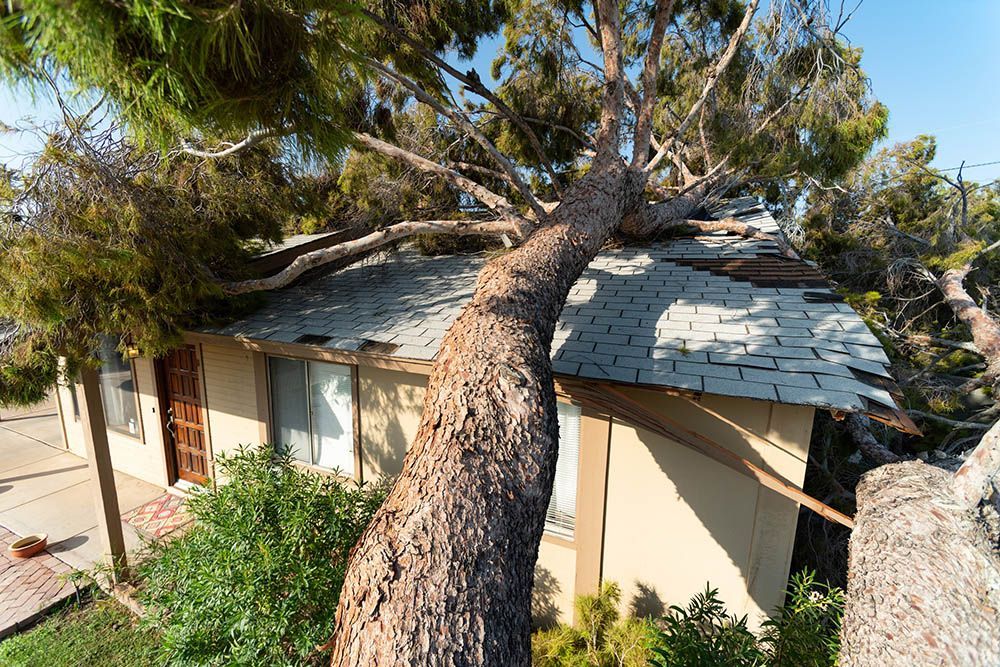
Addressing loose shingles, small leaks, and damaged flashing before storms arrive significantly reduces the risk of extensive water damage and costly emergency repairs.
A single missing shingle creates an entry point for wind-driven rain. Water soaks into the underlayment and decking, leading to rot that spreads quickly. Replacing a few shingles costs far less than repairing water-damaged ceilings, insulation, and framing.
Small roof leaks often go unnoticed until stains appear on ceilings. By that time, hidden damage may already affect structural components. Regular maintenance catches these issues early, saving you money and stress when severe weather hits Chippewa Falls.
How Do Chippewa Falls Wind Patterns Impact Roof Durability?
Prevailing northwest winds in Chippewa Falls lift shingles on south and east-facing roof slopes, making those areas more vulnerable during thunderstorms and winter gales.
Homes near the Chippewa River or open fields experience stronger gusts that test roofing fasteners and sealant. Wind uplift forces shingles to flap and eventually tear away if not properly secured. Inspecting high-exposure areas and reinforcing weak spots reduces storm damage risk.
A&B Roofing evaluates your roof's condition and recommends targeted repairs to strengthen vulnerable sections. Plan your storm preparation by calling 715-966-9006 to schedule an inspection in Chippewa Falls.
Author Details
Denise Haycook
Co-Owner
Denise Haycook, with her extensive experience of more than 10 years, is the proud co-owner of A&B Roofing.